

The Most Famous Car Video Games of All Time
For many enthusiasts, the journey into car culture didn't begin behind the wheel, it began behind a controller.
Long before owning a sports car, attending a race, or starting a 1:64 scale collection, countless collectors were learning the names of legendary cars through video games. These games introduced us to everything from Japanese tuners and Italian supercars to rally monsters and endurance racers, creating a passion that often extended far beyond the screen.
Whether you grew up on a PlayStation, Xbox, Nintendo, or PC, chances are at least one of these titles helped shape your appreciation for automobiles.
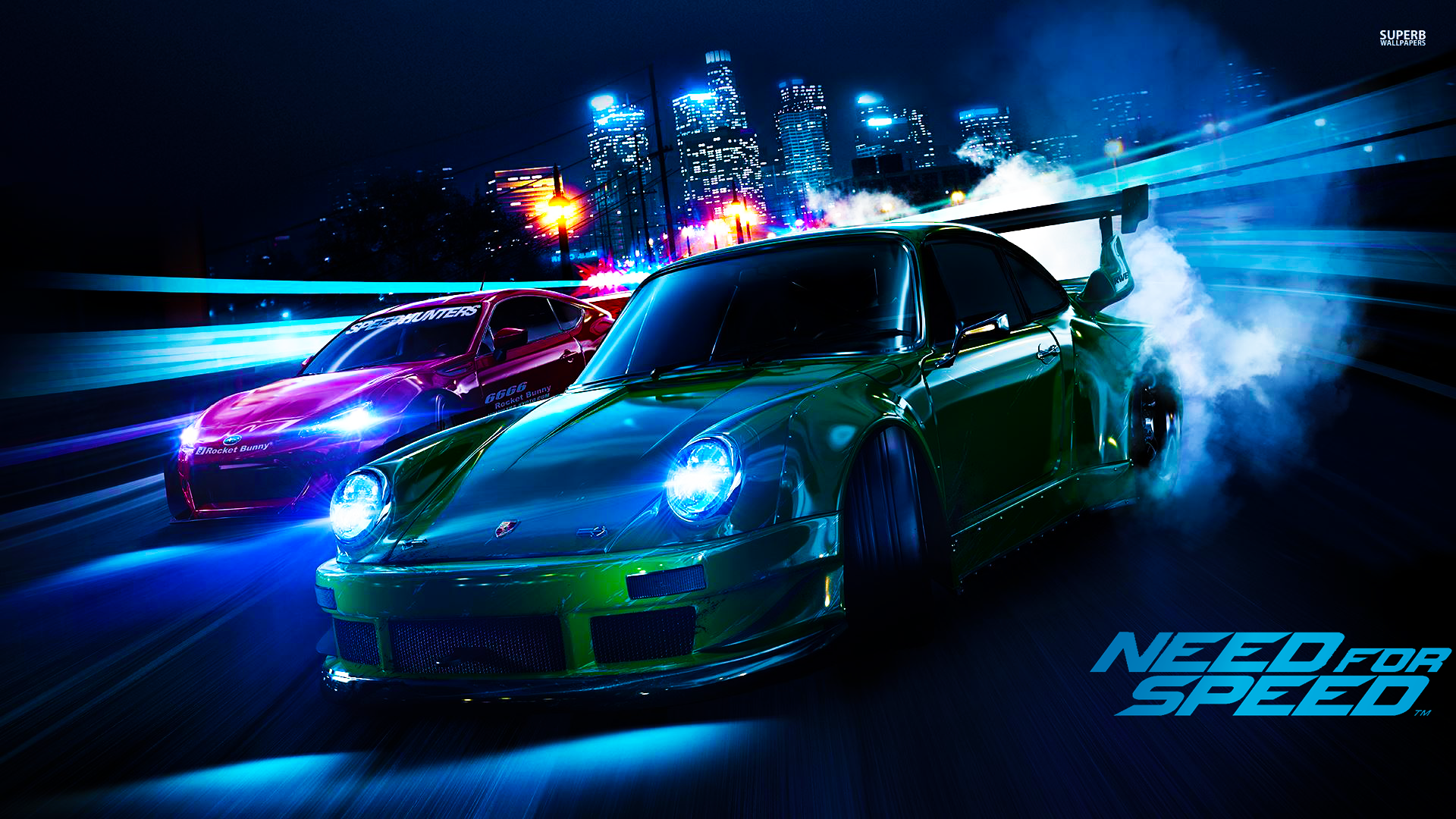
The Need for Speed Series: Making Street Racing Mainstream
Few franchises have had the cultural impact of the Need for Speed series.
Beginning in 1994, the franchise evolved from exotic car racing into one of the defining names in automotive gaming. Titles like Underground, Underground 2, Most Wanted (2005), and Carbon introduced millions of players to tuner culture, customization, neon lights, body kits, and street racing.
For many collectors, these games were the first time they encountered cars like the Nissan Skyline GT-R, Mitsubishi Lancer Evolution, Subaru Impreza WRX STI, Mazda RX-7, and Toyota Supra.
Even today, many of those same cars remain among the most popular castings produced by premium diecast brands.
Gran Turismo: The Ultimate Driving Encyclopedia (my personal favorite)
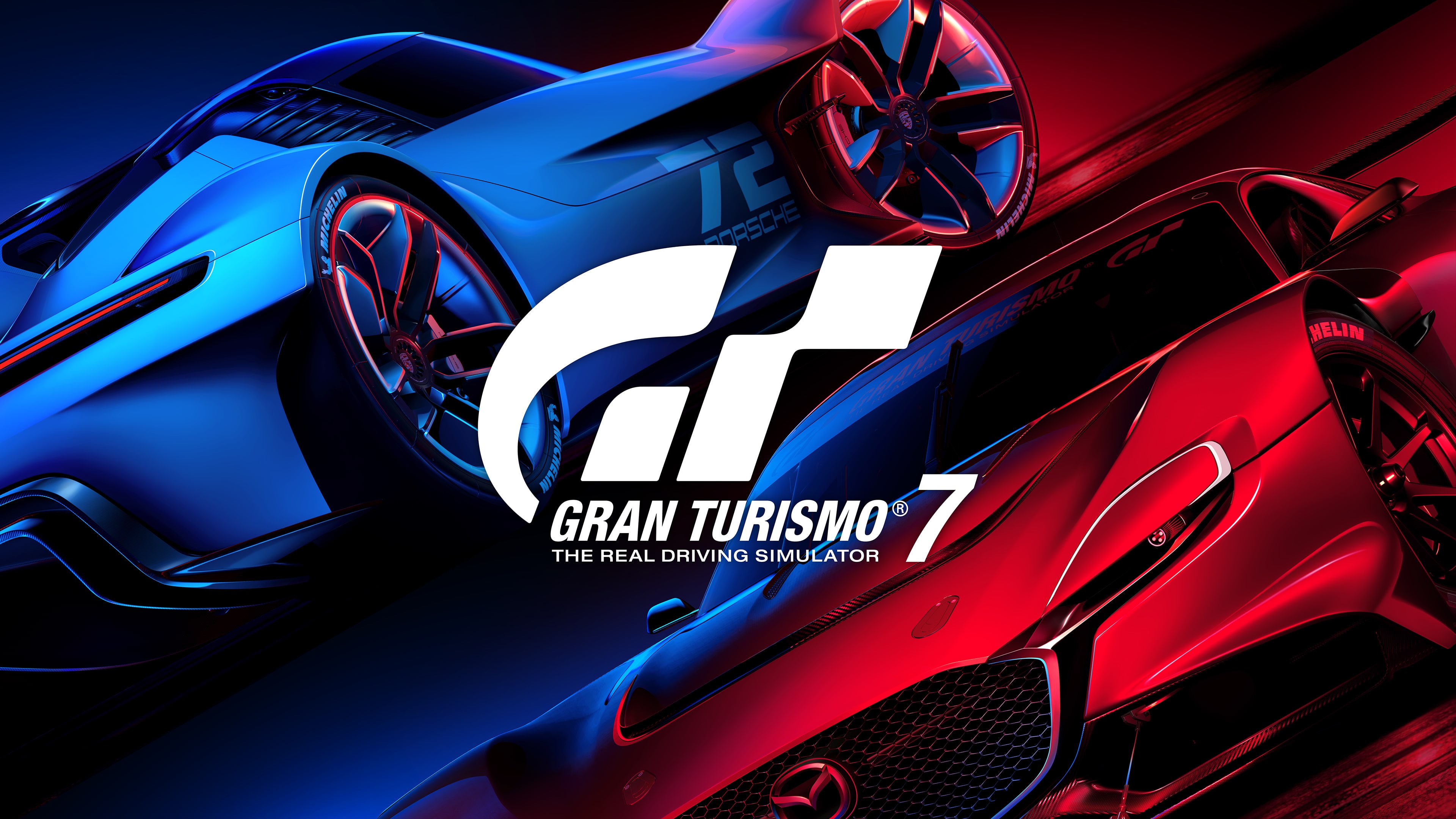
When Gran Turismo debuted in 1997, it changed expectations for racing simulators.
Rather than focusing on arcade action, Gran Turismo celebrated automotive engineering. Hundreds of licensed vehicles, detailed specifications, realistic handling, and manufacturer history encouraged players to learn about cars rather than simply race them.
For many enthusiasts, Gran Turismo became an interactive automotive encyclopedia.
It introduced players to lesser-known manufacturers, historic race cars, concept vehicles, and Japanese domestic market icons that many would otherwise never have discovered.
Forza Motorsport & Forza Horizon: The Modern Playground
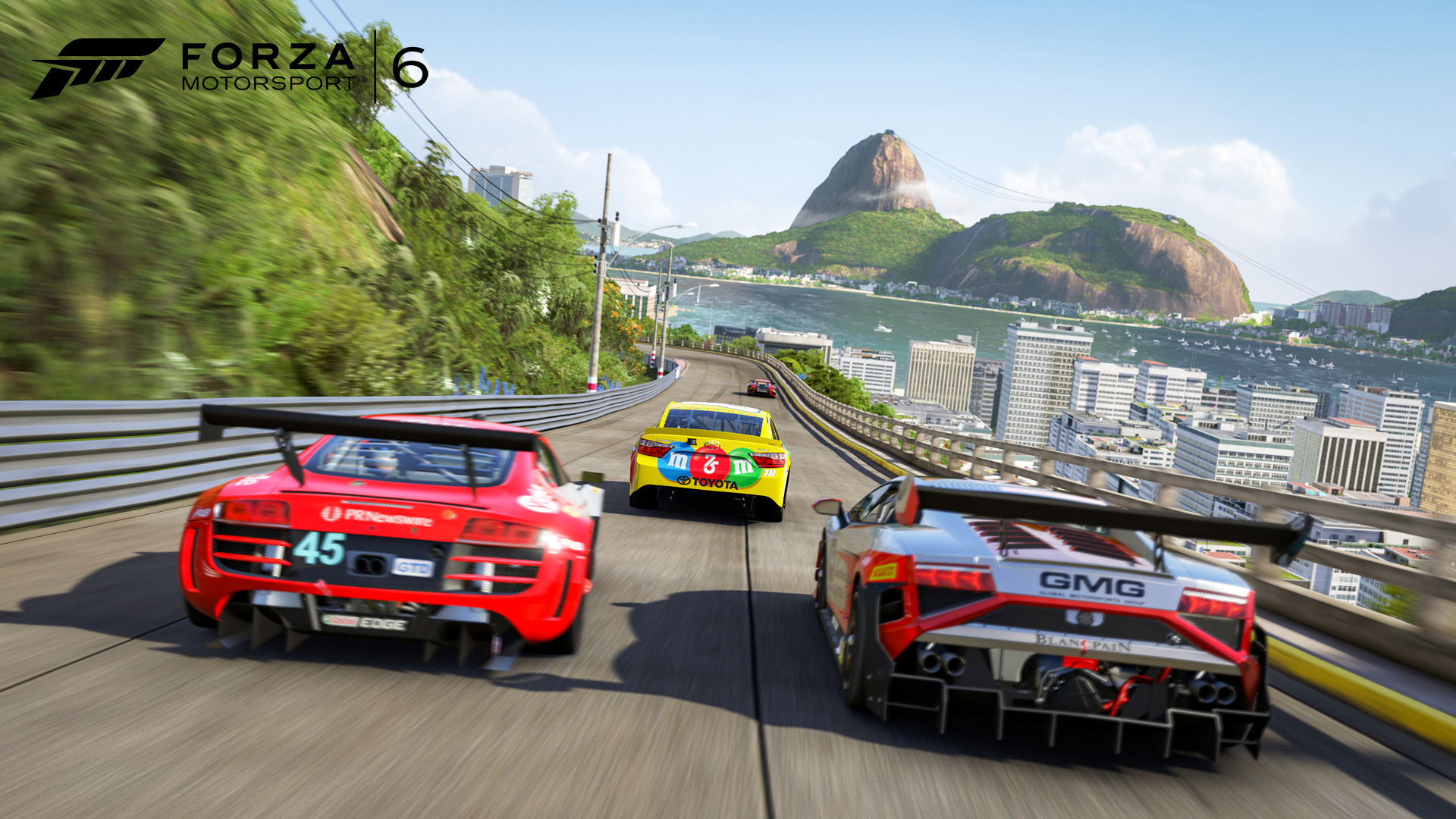
The Forza Motorsport and Forza Horizon franchises represent two different sides of modern car enthusiasm.
Forza Motorsport focuses on precision circuit racing and realistic vehicle performance.
Forza Horizon celebrates freedom—placing hundreds of cars in vast open worlds filled with festivals, exploration, and community events.
Both series have introduced younger generations to modern hypercars, classic muscle cars, off-road trucks, and everything in between, helping shape today's collector preferences.
Midnight Club: Speed Meets Style
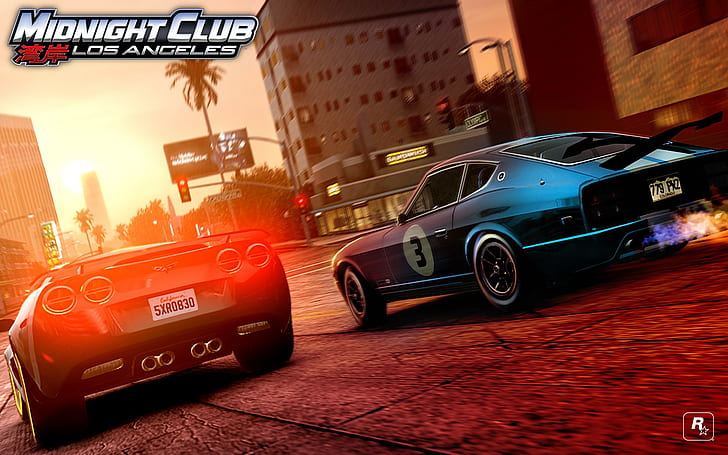
Before open-world racing became commonplace, Midnight Club delivered fast-paced urban street racing with heavy emphasis on style and customization.
Its high-speed city environments and modified imports perfectly captured the tuning culture of the early 2000s, inspiring countless enthusiasts who still seek models of those iconic builds today.
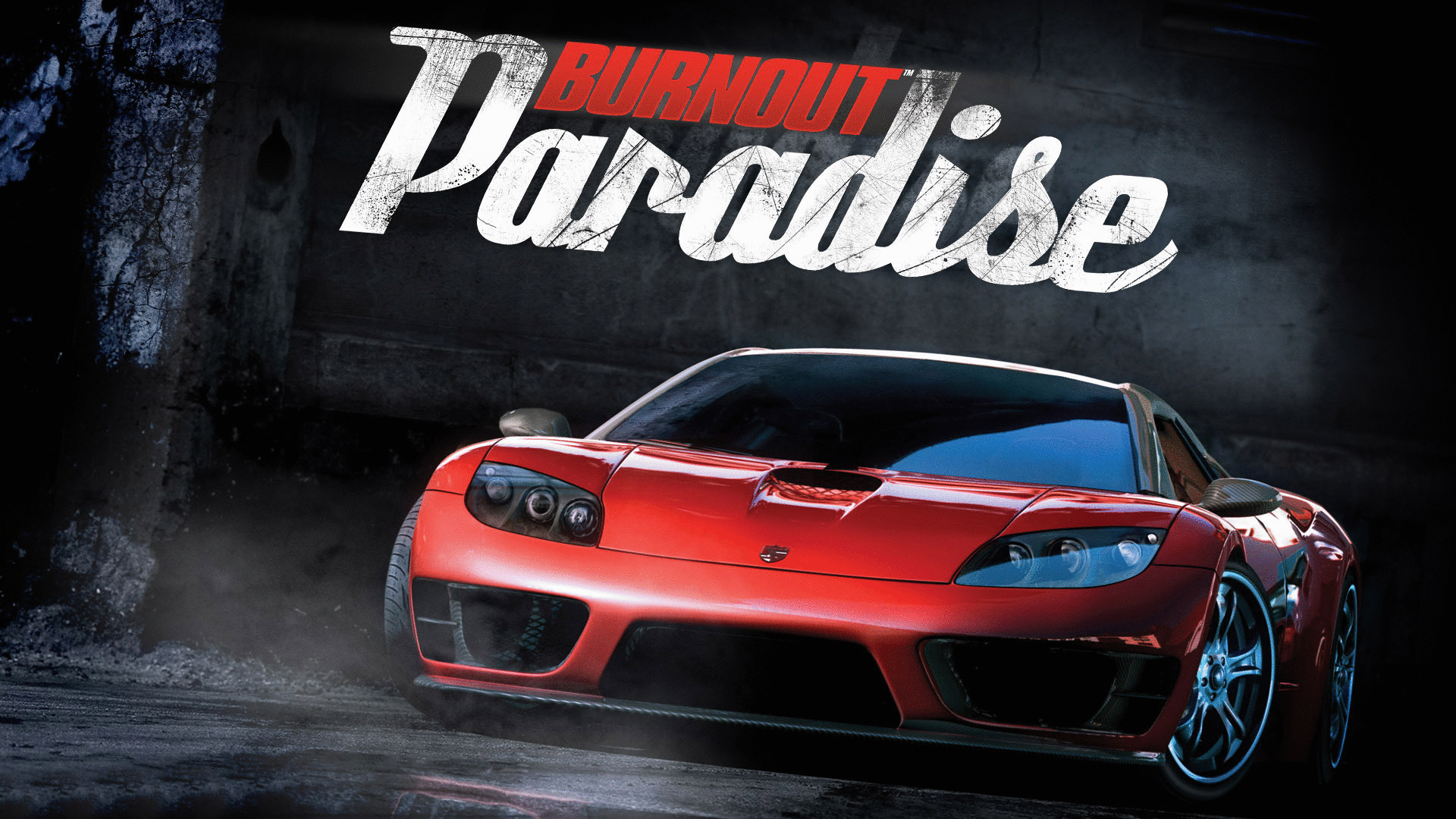
Burnout: Where Crashes Became Entertainment
Not every racing game focused on realism.
The Burnout series became famous for spectacular crashes, aggressive driving, and adrenaline-fueled gameplay.
While its fictional approach differed from traditional simulators, Burnout demonstrated that automotive games could simply be fun, and it introduced many younger players to performance cars for the first time.
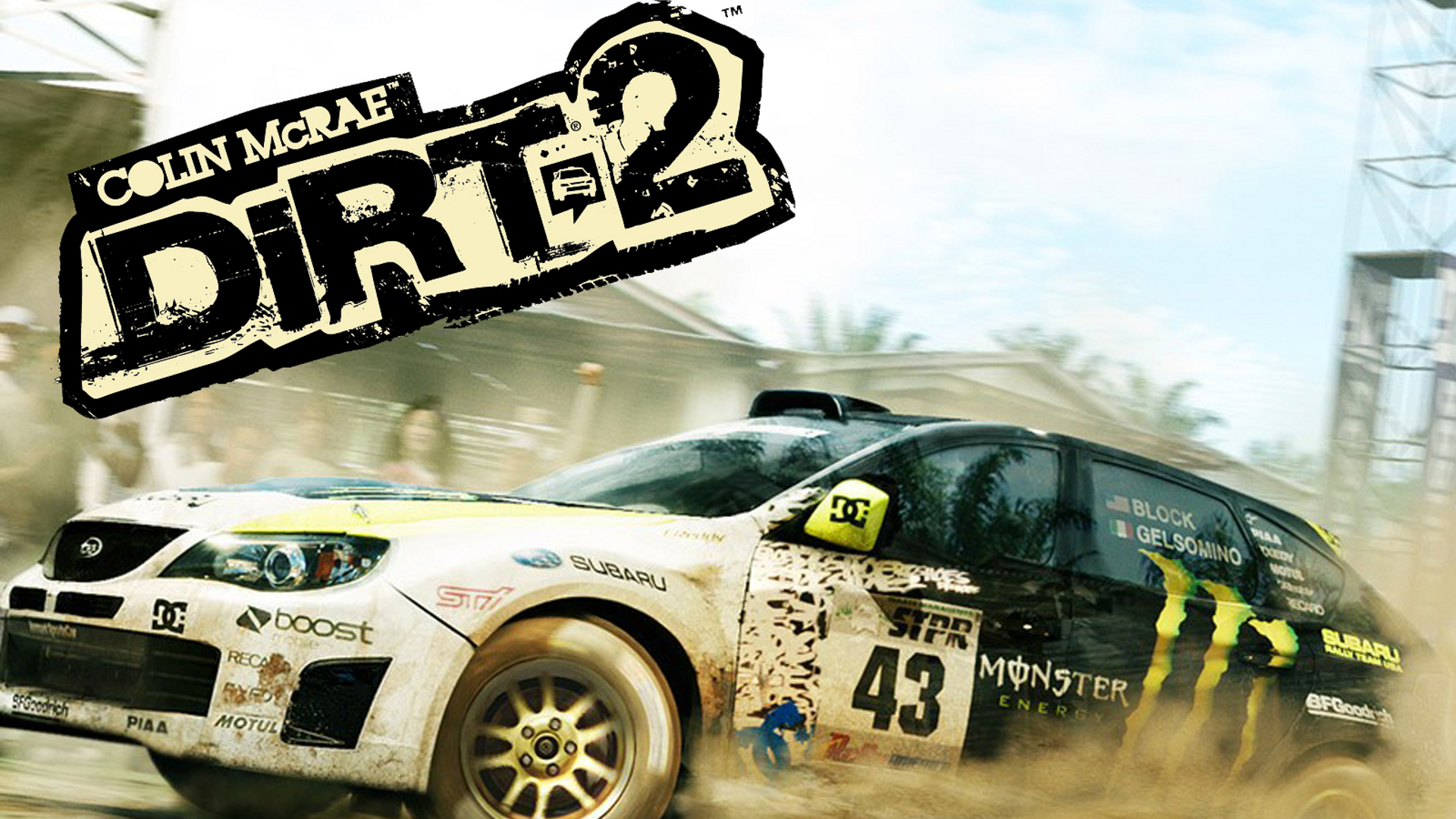
Colin McRae Rally & DiRT: Bringing Rally to the Living Room
Long before rally became widely accessible through online media, the Colin McRae Rally series (and later DiRT), allowed players to experience gravel stages, snow-covered roads, and demanding point-to-point competition.
These games showcased legendary rally machines such as the Subaru Impreza, Mitsubishi Lancer Evolution, Ford Focus WRC, and Citroën Xsara WRC, many of which remain highly collectible in 1:64 scale.
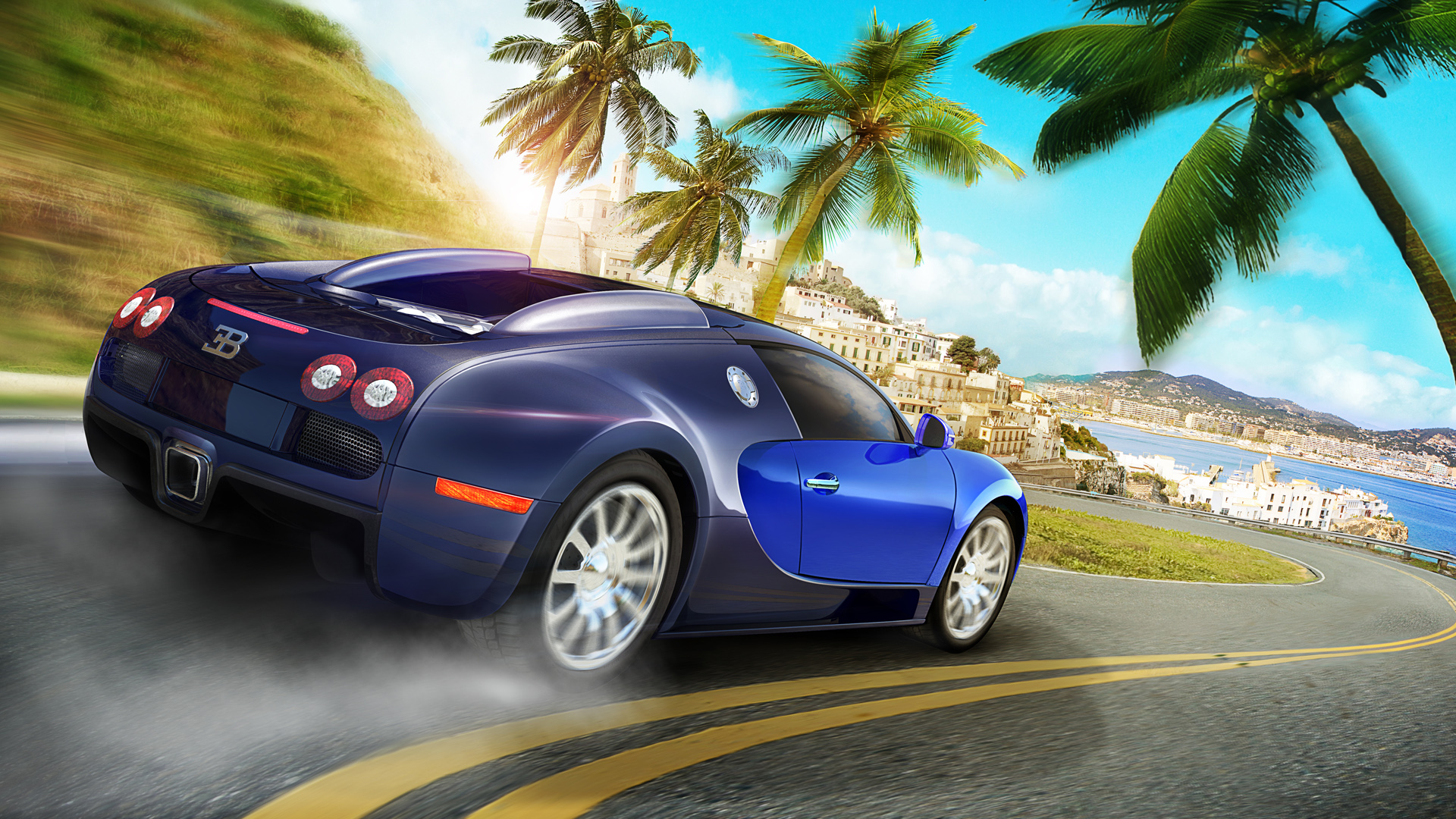
Test Drive Unlimited: More Than Just Racing
Test Drive Unlimited introduced something different.
Instead of simply completing races, players explored beautifully recreated islands, purchased houses, collected exotic cars, and enjoyed driving for its own sake.
The game celebrated automotive lifestyle as much as competition—a philosophy many collectors understand well.
Sometimes the joy comes not from winning, but from appreciating the car itself.
Assetto Corsa: The Simulator's Choice
For enthusiasts seeking realism, Assetto Corsa has become one of the most respected driving simulators ever created.
Its highly accurate physics, extensive modding community, and faithful recreation of real-world circuits have made it a favorite among both casual players and professional drivers.
It has also introduced many younger enthusiasts to classic race cars and lesser-known performance vehicles that later found a place in their collections.

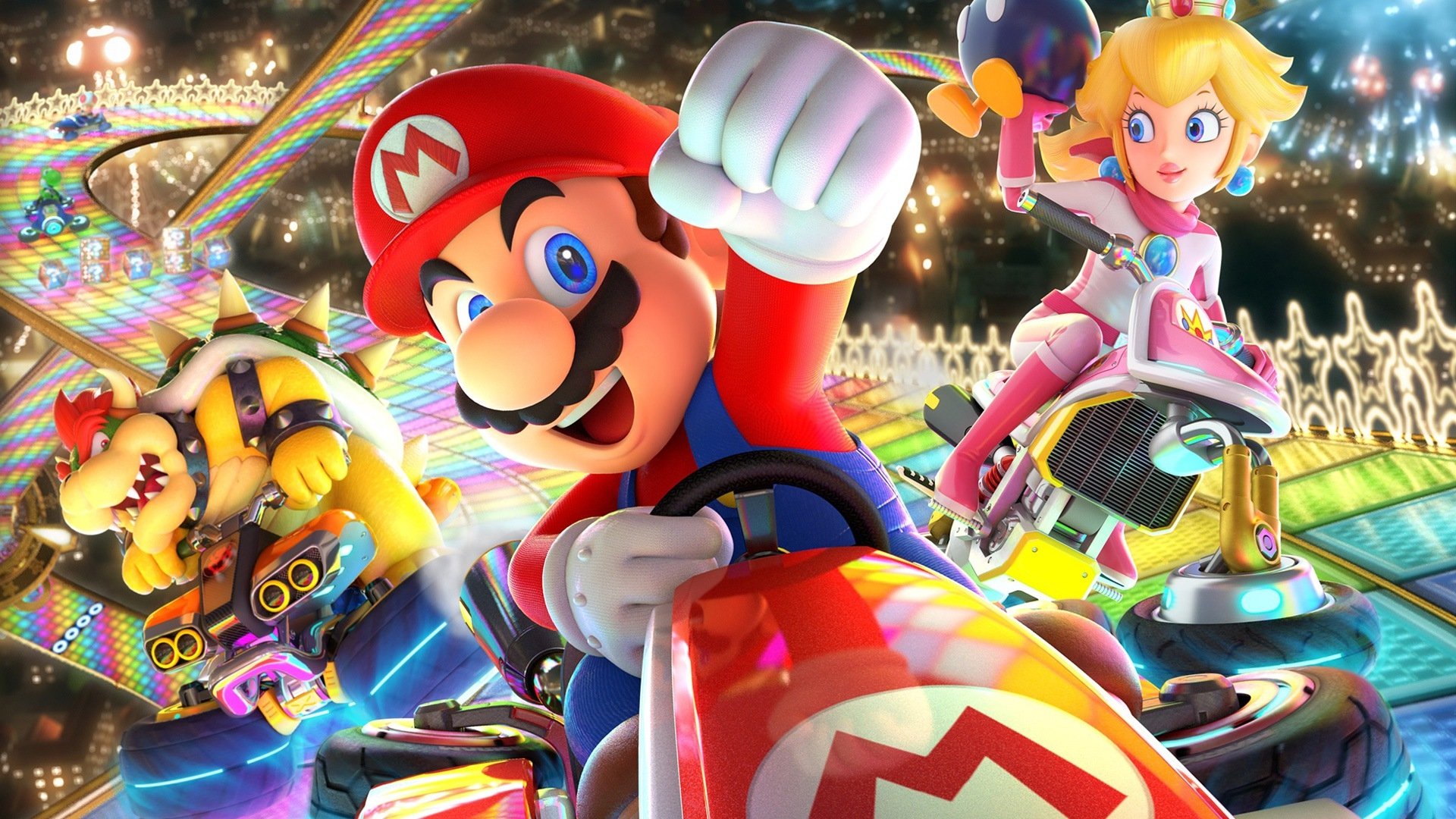
Mario Kart: Racing for Everyone
Not every automotive memory involves realism.
For many collectors, Mario Kart was their very first racing game.
Although its colorful characters, power-ups, and imaginative tracks bear little resemblance to real motorsport, Mario Kart introduced generations of children to friendly competition and the joy of racing.
Sometimes the first step into car enthusiasm begins with throwing a banana peel instead of setting the fastest lap.
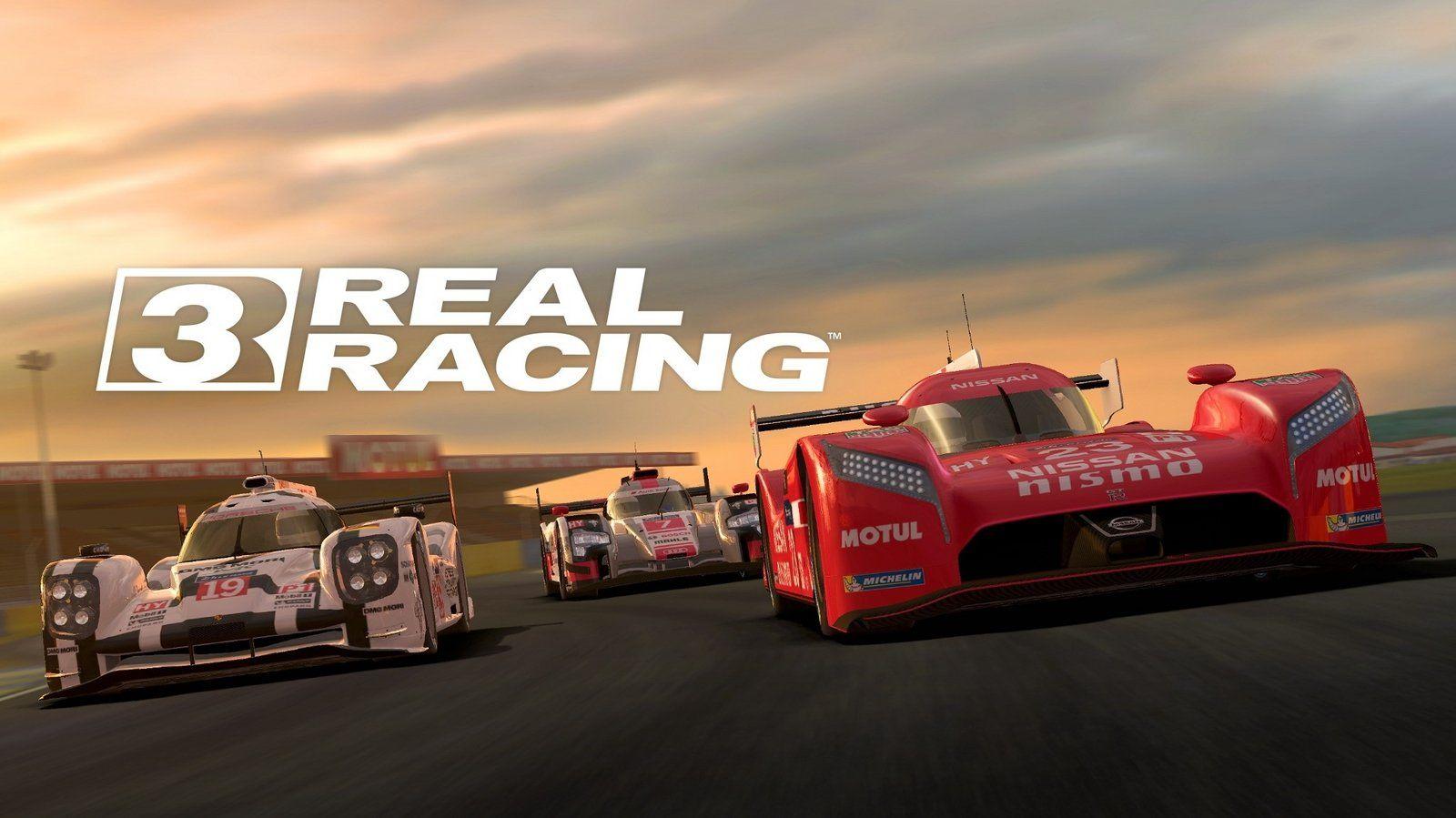
Real Racing 3: Bringing Premium Racing to Mobile
When smartphones became powerful enough for console-quality gaming, Real Racing 3, developed by Firemonkeys Studios and published by Electronic Arts, set a new benchmark for mobile racing games.
Released in 2013, it featured an impressive lineup of officially licensed cars from manufacturers such as Porsche, Ferrari, Lamborghini, McLaren, Bugatti, Koenigsegg, and many more. Combined with real-world circuits like Silverstone, Spa-Francorchamps, and Le Mans, it delivered an experience that was remarkably authentic for a mobile device.
For many players, Real Racing 3 became more than a game, it was an introduction to the wider automotive world. It encouraged enthusiasts to learn about different manufacturers, compare performance, and discover supercars and race cars they had never seen before.
Its accessibility also played a major role. Unlike traditional console racing games, Real Racing 3 allowed anyone with a smartphone to experience licensed motorsport, helping inspire a new generation of car enthusiasts and, eventually, diecast collectors.
Today, it remains one of the most influential mobile racing games ever released and a reminder that a passion for cars can begin anywhere, even in the palm of your hand.
When Virtual Cars Become Real Legends
One of the most remarkable aspects of video games is their ability to elevate certain cars into icons.
Many vehicles became globally recognized because players spent hundreds of hours driving them virtually.
Cars like:
- Nissan Skyline GT-R R34
- Toyota Supra Mk4
- Mazda RX-7 FD
- Mitsubishi Lancer Evolution VI
- Subaru Impreza WRX STI
- Honda NSX
- Porsche Carrera GT
- McLaren F1
- Ferrari F40
- Lamborghini Murciélago
These weren't just fast cars—they became personal favorites because players formed memories with them long before seeing them in person.
It's no surprise that these same vehicles remain among the most sought-after diecast models today.
From Digital Garages to Display Shelves
Video games have inspired generations to learn about engineering, motorsport, design, and automotive history.
They've introduced us to manufacturers we had never heard of, encouraged us to appreciate iconic liveries, and sparked lifelong passions for collecting.
For many enthusiasts, the journey followed a familiar path:
Play the game.
Fall in love with the car.
Learn its story.
Add it to the collection.
Whether it's a legendary JDM icon from Need for Speed, a GT race car from Gran Turismo, or a rally hero from DiRT, these virtual experiences continue to influence what collectors display on their shelves today.
![🔥 [60+] Gaming Cars Wallpapers | WallpaperSafari](https://cdn.wallpapersafari.com/71/75/1IKcpj.jpg)