
Why Licensing Defines the Diecast World
In 1:64 collecting, what you see on the surface — the paint, the logos, the proportions — is only part of the story.
Behind every accurate model sits something far more complex: licensing.
It’s the invisible framework that determines which cars get produced, how authentic they can be, and ultimately, how valuable they become to collectors.
Manufacturer Approvals: The First Gate
Before a diecast brand can produce any real car, it must secure approval from the manufacturer.
This means working directly with companies like:
- Nissan
- Porsche
- Toyota
- BMW
These approvals cover:
- body shape accuracy
- badge placement
- proportions and design integrity
- brand representation standards
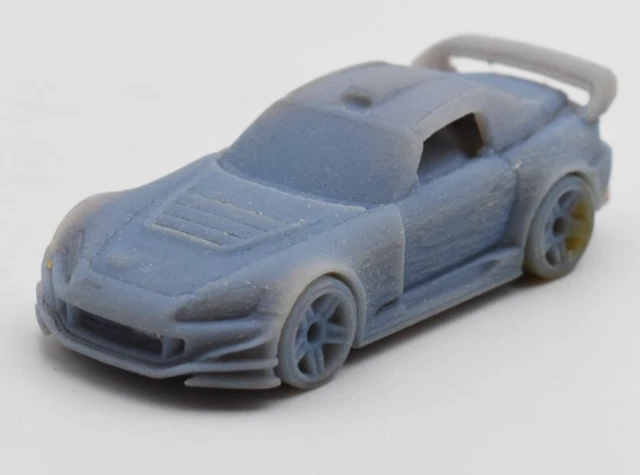
Honda S2000. Pre-Prouction Prototype
Manufacturers protect their identity carefully. If a model doesn’t meet their expectations, it simply doesn’t get approved — no matter how strong the demand.
This is why officially licensed models tend to feel “correct.” They’ve passed the same scrutiny as real-world branding.
Racing & Sponsor Rights: A Layered System
When it comes to motorsport models, licensing becomes even more complex.
It’s no longer just about the car — it’s about:
- the racing team
- championship organizers
- sponsors and partners
- specific event rights
A single livery might require multiple agreements.
For example, a race car could involve:
- the manufacturer (car design)
- the racing team (team identity)
- sponsors (logos and branding)
- the series (e.g., championship rights)
If even one element is missing, the model may need to be altered — or cancelled entirely.
That’s why some diecast releases appear with:
- missing logos
- simplified liveries
- or “inspired by” designs
It’s not a design choice — it’s a licensing limitation.

Why Some Cars Never Get Produced
Collectors often ask: “Why hasn’t this car been made yet?”
In many cases, the answer is not tooling or demand — it’s licensing.
Certain vehicles or liveries are extremely difficult to secure due to:
- high licensing costs
- restrictive brand policies
- sponsor conflicts (e.g., tobacco, alcohol, energy drinks)
- fragmented rights across multiple parties
Some approvals can take years. Others never happen at all.
This is why truly accurate versions of certain iconic cars become highly sought after — they’re not just models, they’re rare licensing achievements.
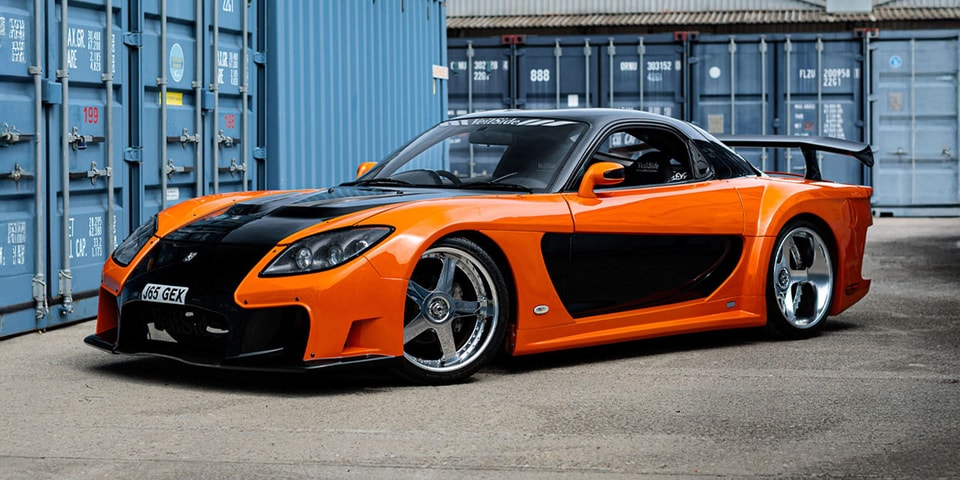
1997 Mazda RX-7 VeilSide from F&F Tokyo Drift. (Hot Wheels doesn't have the VeilSide license. Brands like Tarmac Works and Mini GT have the VeilSide license, but not the Fast and Furious license)
F1, WRC, and Red Bull: Licensing at Its Most Complex
Some areas of motorsport are especially challenging.
Formula 1 models require coordination with:
- Formula One Management (FOM)
- individual teams
- sponsors
WRC (World Rally Championship) adds:
- event-specific liveries
- evolving sponsor lineups
- multiple governing bodies
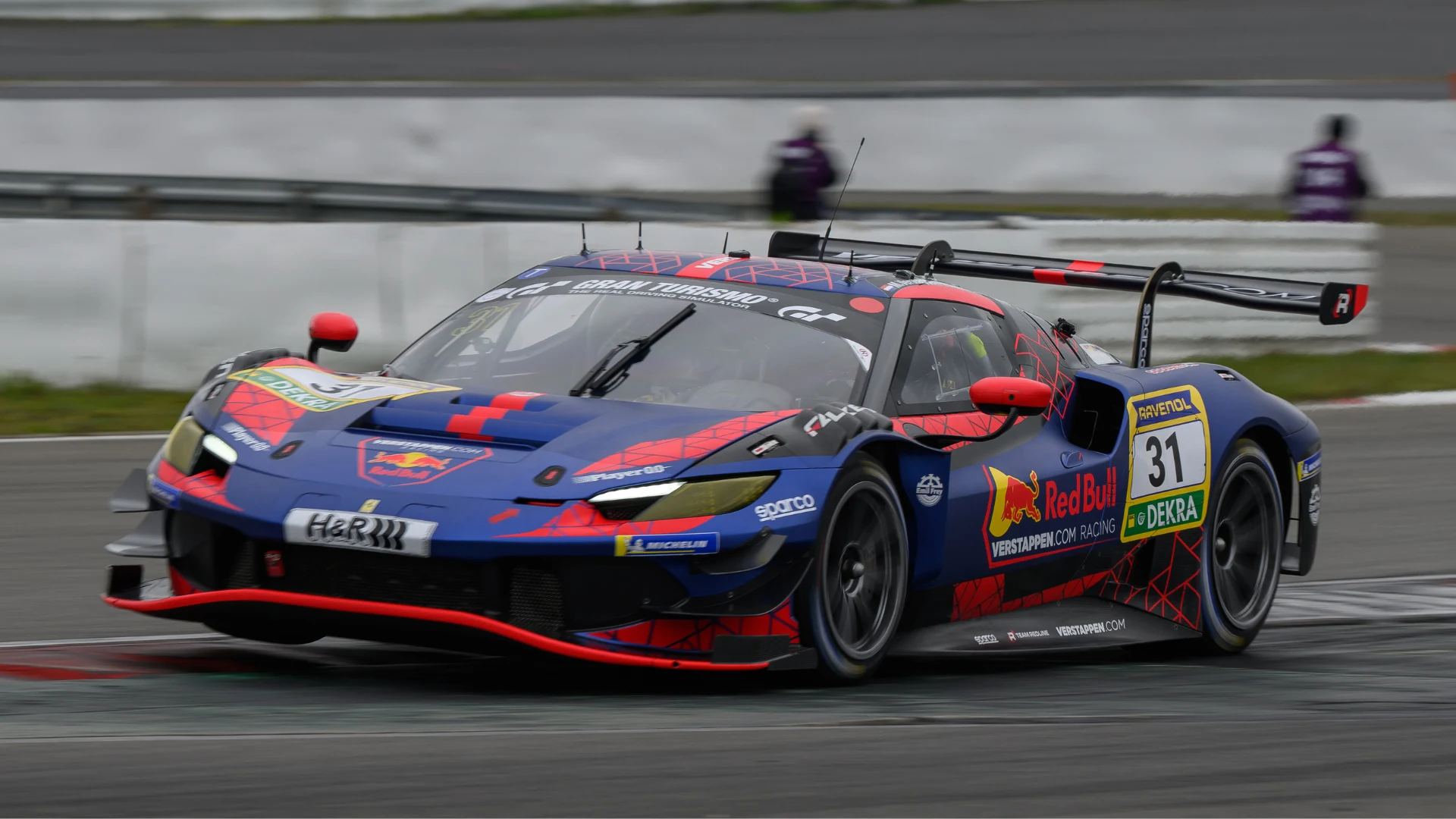
Then there are brands like Red Bull, known for tightly controlling their identity across all platforms. Securing full Red Bull livery rights is notoriously difficult, which is why:
- some models feature partial branding
- others are released in limited runs
- or don’t get produced at all
These complexities directly influence availability, pricing, and long-term collectibility.
Licensing = Credibility & Value
For collectors, licensing is more than a legal detail — it’s a mark of authenticity.
A fully licensed model offers:
- accurate branding
- historical correctness
- stronger resale value
- higher collector confidence
It signals that the model is not just visually similar, but officially recognized.
In contrast, unlicensed or partially licensed models may still look good, but they lack the same level of legitimacy — especially for serious collectors.

Why It Matters for Your Collection
Understanding licensing changes how you see your models.
You begin to notice:
- why certain releases feel more “complete”
- why some models are limited or delayed
- why pricing can vary significantly between similar castings
More importantly, you start to appreciate that each licensed model represents not just manufacturing effort — but negotiation, approval, and access.
The unsung hero
Licensing is the invisible backbone of the diecast world.
It decides what gets made, how accurate it can be, and how it’s perceived by collectors over time.
In many ways, it’s what separates a simple miniature from a true scale representation of automotive history.

If you’d like to explore this further, you’ll find it reflected in our selection of licensed racing and premium models HERE — where authenticity, detail, and credibility come together naturally.